
Welcome to
The Reading Guide
Most people don’t start looking for books because they want information.
They start looking because something in their relationships stopped making sense.
Maybe you tried harder and things still got worse.
Maybe honesty created distance instead of connection.
Maybe you were told love should feel peaceful — but it felt confusing instead.
These are the books we come back to over and over. Not because they give quick fixes, but because they give language.
And once you have language, you can finally see what is happening — and choose differently.
Start with the one that feels closest to your situation right now.
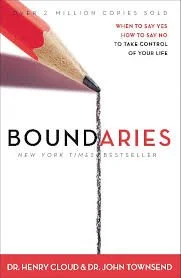
Boundaries — Henry Cloud & John Townsend
When to read this:
When you feel responsible for other people’s emotions, reactions, or approval.
What it helps you see:
This book explains where you end and another person begins. Many people trying to be loving actually become over-responsible — carrying weight that was never theirs. Boundaries aren’t rejection. They’re clarity.
Why we recommend it:
For many people, this is the first time they realize love and access are not the same thing.
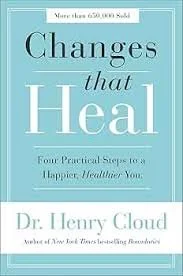
Changes That Heal — Henry Cloud
When to read this:
When you keep repeating patterns you swore you wouldn’t.
What it helps you see:
Some struggles aren’t willpower problems — they’re development gaps. This book explains how people grow emotionally and why certain environments quietly freeze parts of us in place.
Why we recommend it:
It helps you stop blaming yourself and start understanding what actually needs to grow.
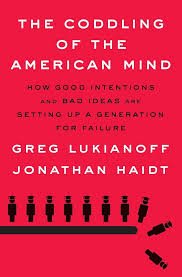
Coddling of the American Mind— Jonathan Haidt & Greg Lukianoff
When to read this:
When disagreement feels threatening — in families, communities, or culture.
What it helps you see:
Avoiding discomfort doesn’t create safety; it creates fragility. The inability to tolerate tension leads people to control, silence, or moralize instead of understand.
Why we recommend it:
It helps you stay grounded when truth creates social pressure.
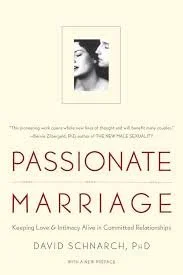
Passionate Marriage— David Schnarch
When to read this:
When closeness keeps turning into conflict, distance, or shutdown.
What it helps you see:
Strong marriages aren’t built on constant agreement — they’re built on two people who can stay connected while still being themselves. Anxiety, not incompatibility, causes most relational breakdowns.
Why we recommend it:
This book changes how you understand conflict: not as failure, but as the place growth happens.
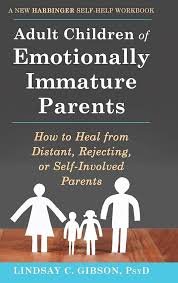
Adult Children of Emotionally Immature Parents: How to Heal from Distant, Rejecting, or Self-Involved Parents
When to read this:
When conversations leave you feeling unseen, guilty, or strangely responsible.
What it helps you see:
Some parents relate from their own unmet needs rather than mutual relationship. This explains why logic fails and why you feel exhausted after normal interactions.
Why we recommend it:
For many readers, this is the moment their story finally makes sense.
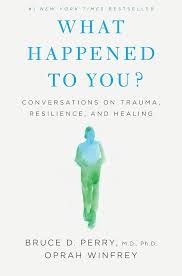
What Happened to You — Oprah Winfrey & Bruce Perry
When to read this:
When you or someone you love reacts stronger than the situation seems to warrant.
What it helps you see:
Instead of asking “What’s wrong with you?” this book teaches you to ask “What shaped you?” Behavior begins to make sense once you understand nervous systems and lived experience.
Why we recommend it:
It builds compassion without removing accountability — a rare and needed balance.
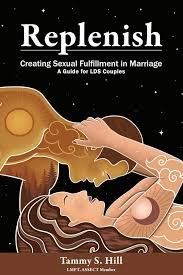
Replenish— Tammy Hill
When to read this:
When intimacy feels confusing, pressured, disconnected, or heavy.
What it helps you see:
Healthy sexuality is not performance, obligation, or avoidance — it grows from emotional safety and self-connection. This book reframes intimacy from duty to relationship.
Why we recommend it:
It brings peace and dignity back into conversations many couples only feel anxiety about.
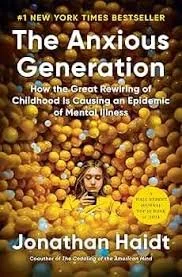
The Anxious Generation — Jonathan Haidt
When to read this:
When you’re trying to understand rising anxiety — especially in teens and young adults.
What it helps you see:
Human development requires real-world experience, not constant monitoring. Overprotection and digital immersion reshape emotional resilience in profound ways.
Why we recommend it:
It gives parents clarity without shaming them — and direction without panic.
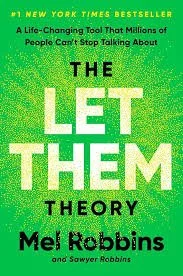
The Let Them Theory — Mel Robbins
When to read this:
When you keep trying to manage how others see you.
What it helps you see:
Peace doesn’t come from controlling outcomes — it comes from allowing others to choose and then choosing your response. Letting people be who they are reveals reality faster than persuasion ever will.
Why we recommend it:
Simple idea, massive relief.
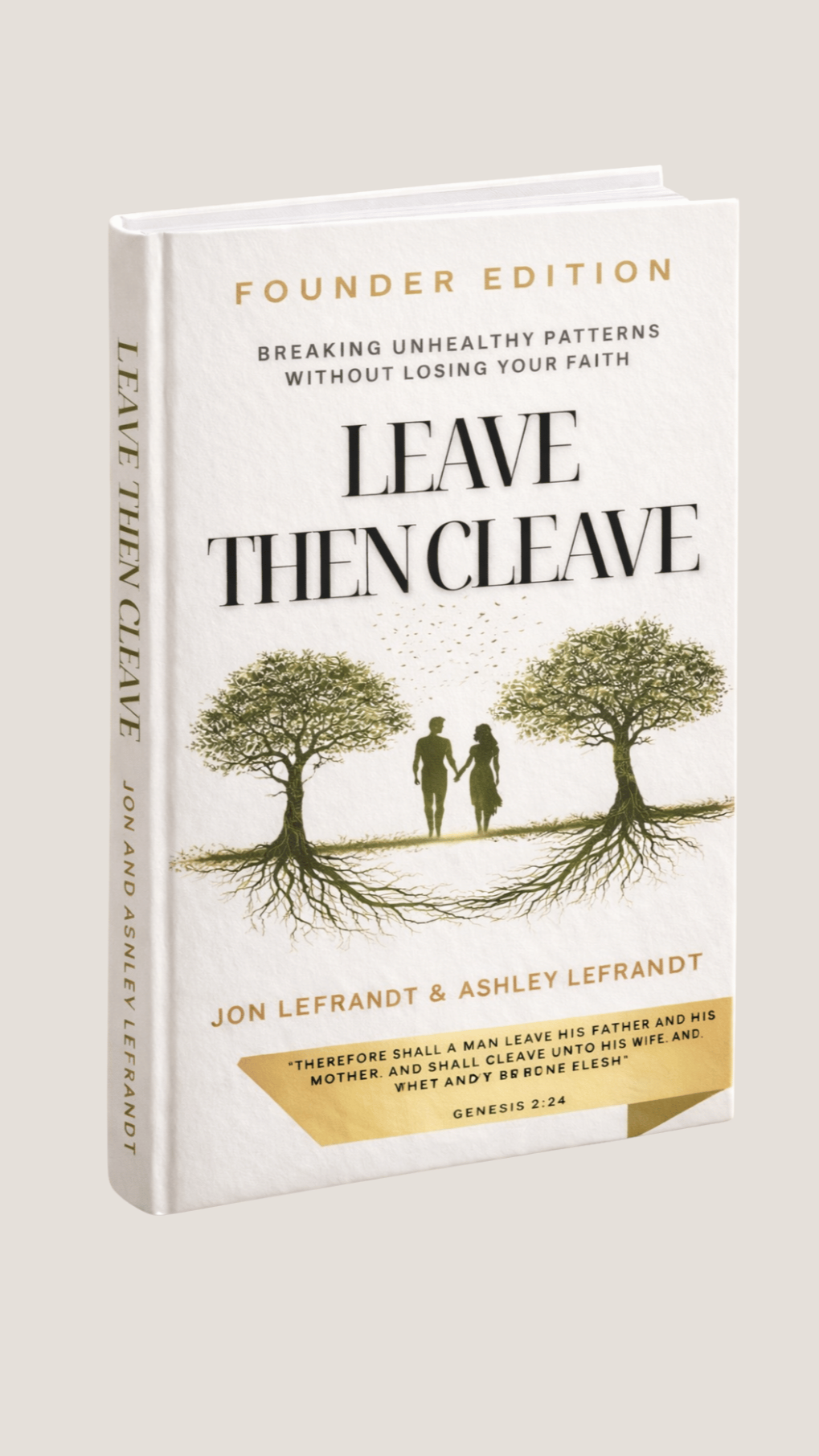
Leave Then Cleave — Jon and Ashley Lefrandt
When to read this:
When you’re starting to see unhealthy patterns in your family… and don’t know what to do next.
When to read this:
When you feel responsible for other people’s emotions, reactions, or approval.
What it helps you see:
Understanding your family system is one thing.
Learning how to navigate it—without losing yourself—is another.
This book helps you:
identify unhealthy dynamics clearly
understand your role within them
and begin making grounded, intentional changes
Why we recommend it:
It offers a clear path forward—so you’re not just aware of the problem, but equipped to navigate it with strength and clarity.
Disclosure: Some links on this page are affiliate links. This means we may earn a small commission at no additional cost to you if you choose to purchase through them. We only recommend books and resources we genuinely believe are helpful and aligned with the ideas we teach.